

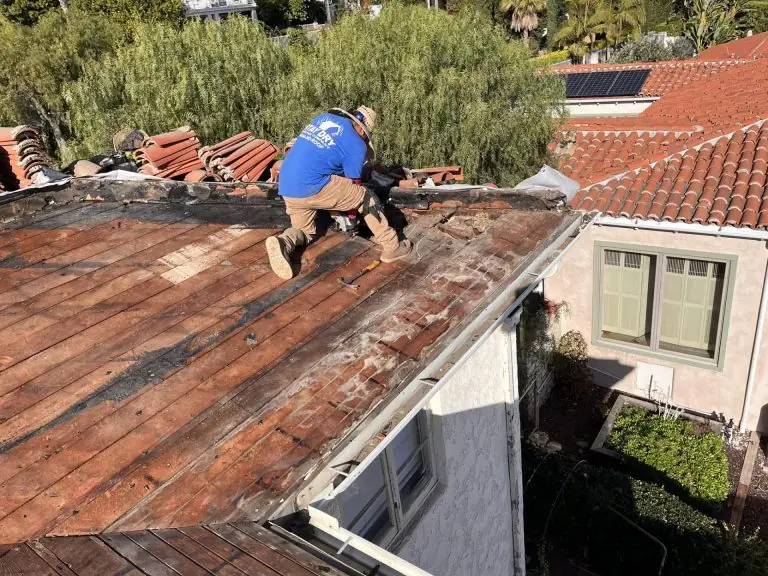
If you’re a homeowner in Mission Viejo, you’ve probably seen two very common roof styles around: asphalt shingle roofs and tile roofs (clay or concrete). Each has its advantages, trade-offs, and suitability depending on your home, budget, aesthetic goals, and local climate conditions. In this guide, we’ll compare asphalt vs. tile roofing in depth, with a Mission Viejo vantage point, to help you decide what’s right for your home.
Mission Viejo Climate & Local Roofing Realities
Before diving into material comparisons, it’s useful to understand what roofs in Mission Viejo face:
- Sunny, Warm Summers & UV Exposure — Southern California delivers intense sunlight and heat, which accelerates material aging, fades colors, and stresses roof membranes.
- Occasional Wind / Storm Events — Though not hurricane country, coastal winds or Santa Ana gusts may cause uplift or dislodge weaker components.
- Moderate Rain in Winter — Rain is concentrated in winter months; good waterproofing and flashing design are essential.
- Hillside Lots & Drainage — Many homes in the hills may see runoff, debris, or drainage pressure from surrounding slopes.
- Architectural Style & HOAs — Mission Viejo has many Spanish, Mediterranean, and tile-roofed homes. HOA or neighborhood aesthetics can push toward tile or clay roofs.
- Energy Considerations — Roof heat load affects attic temperature and home energy usage (especially cooling).
Because of these factors, material choice matters. A roof that works well in one area may underperform in our specific climate or local constraints.
Asphalt Roofing: Strengths & Trade-Offs
What Is Asphalt Roofing?
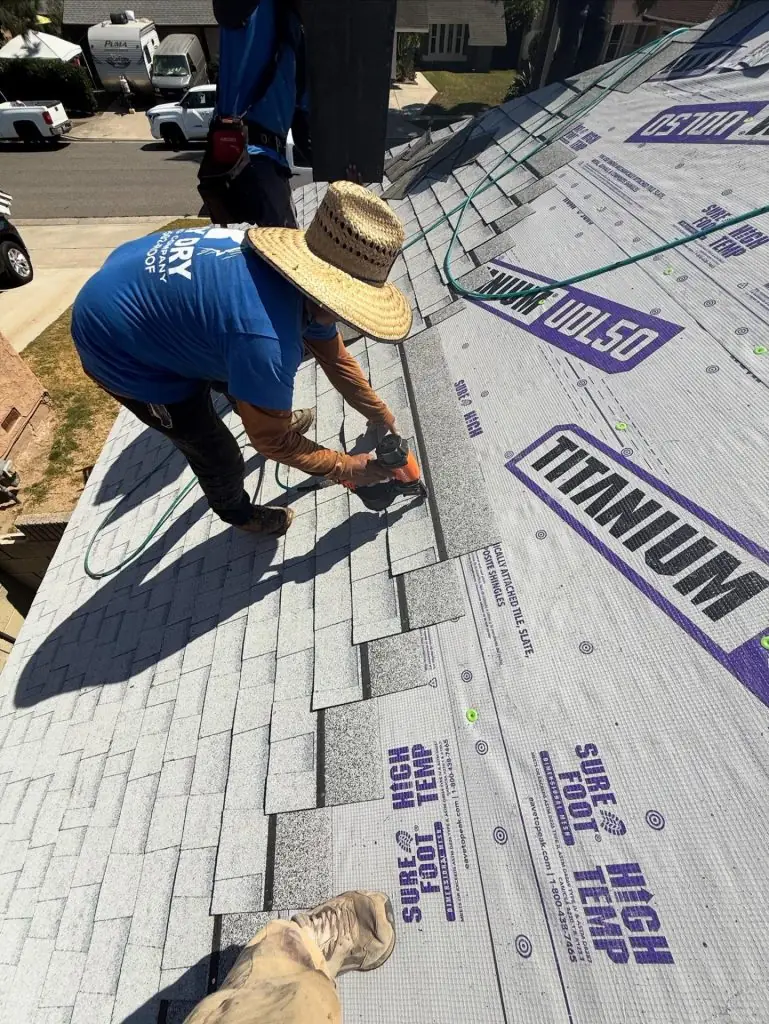
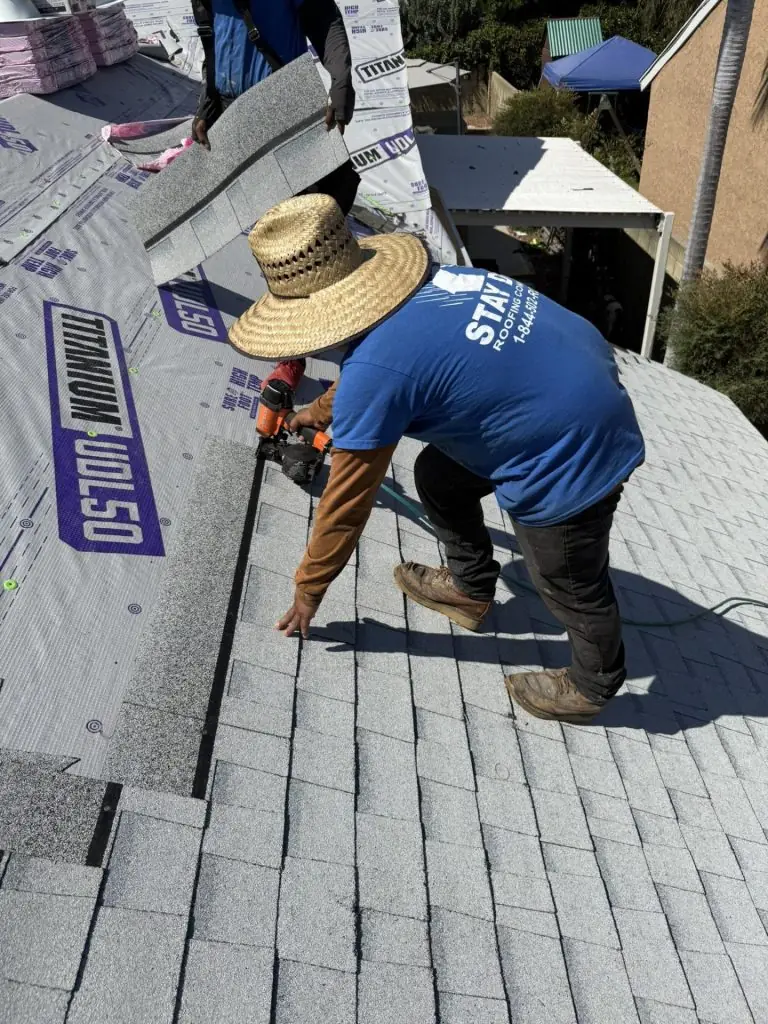
Asphalt roofing (also called composition shingle roofing) consists of layers of fiberglass or organic mat, coated with asphalt, and finished with mineral granules. There are simple 3-tab shingles and thicker, architectural or dimensional shingles.
Pros of Asphalt Roofing
- Cost-Effectiveness
Asphalt is often the most affordable choice for both materials and labor. For many homes, this makes it an attractive balance between performance and budget. - Lightweight & Structural Compatibility
Asphalt shingles are lighter than tile, reducing the need for structural reinforcement. This makes them suitable for many existing roof framing systems. - Ease of Installation & Repair
Installers can work more quickly; repairs are simpler because individual shingles can be replaced. As one commenter put it: “Shingles are cheaper and easier to install … tiles last longer … but they come with higher replacement costs.” - Wide Style & Color Options
Modern asphalt shingles come in many textures, colors, and styles—some mimicking the look of slate or shake. - Reasonable Lifespan (when well installed)
High-quality architectural shingles can last 25 to 30+ years, especially when paired with good underlayment, ventilation, and flashing.
Cons / Weaknesses of Asphalt Roofing
- Shorter Lifespan vs Tile
Compared to tile, asphalt typically needs replacement more frequently. Many experts note that over a long time horizon, tile can outlast multiple asphalt reroofs. - Vulnerability to UV / Heat / Granule Loss
Over time, granules can erode, asphalt can dry or crack, and performance will degrade under intense sun. - Wind / Impact Sensitivity
In high-wind situations, improperly installed shingles may lift or blow off. Strong flashing and installation practices are critical. - Energy Efficiency Limitations
Asphalt tends to absorb heat. Without good ventilation or “cool roof” variants (reflective granules), the attic may heat up more which makes cooling harder. - Less Prestigious in Some Areas
In neighborhoods where tile or premium materials define the aesthetic, asphalt may be seen as “less premium.”
Tile Roofing (Clay / Concrete): Pros & Trade-Offs
What Is Tile Roofing?
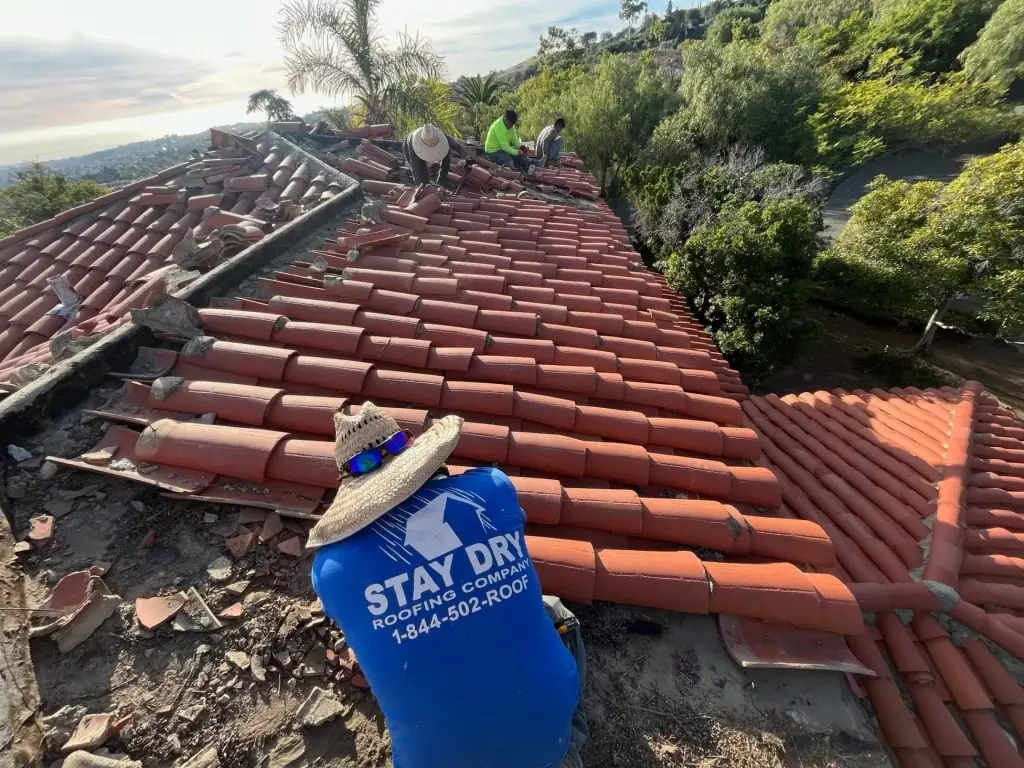
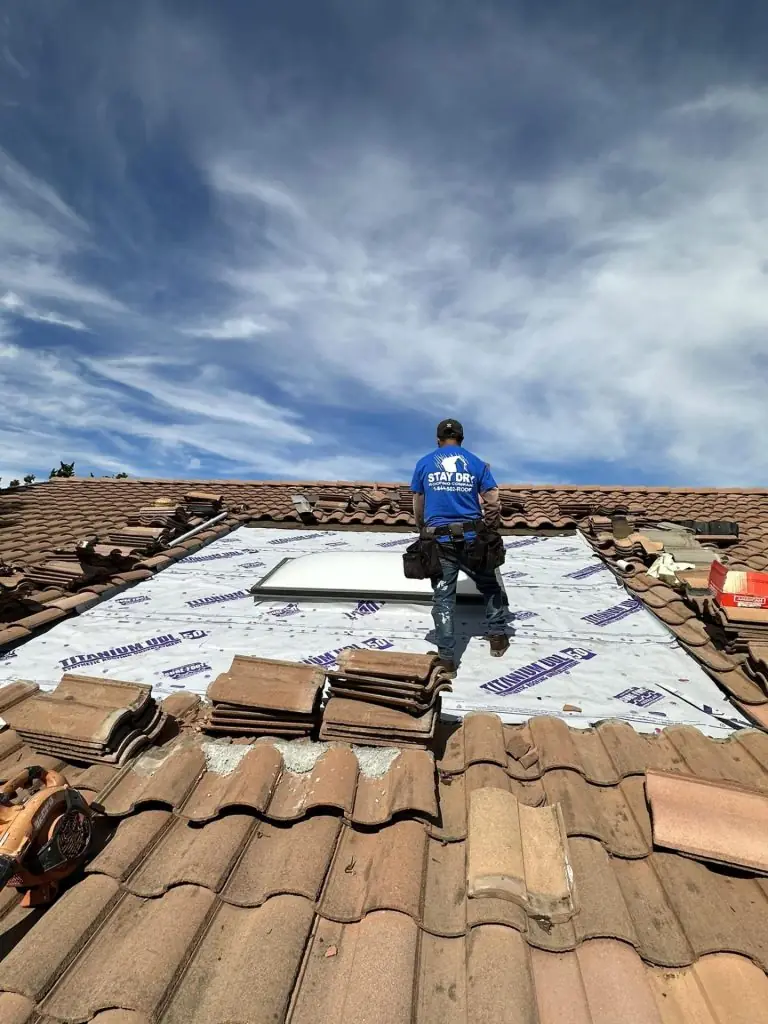
Tile roofs are typically made of clay or concrete and come in shapes like barrel, flat interlocking, or decorative profiles. They’re widely used in Spanish/Mediterranean style homes, and prevalent in Southern California.
Pros of Tile Roofing
- Exceptional Longevity
Tile roofs can last 50, 75, or even 100+ years with low maintenance. Many tile systems outlast multiple asphalt roofs.
Heat / UV Resilience
Tile is more resistant to UV damage and doesn’t degrade as quickly under harsh sun. - Aesthetic Appeal & Neighborhood Fit
Tile offers a classic, high-end look. In tile-dominant neighborhoods in Mission Viejo, tile often fits the visual fabric better. - Energy Benefits
Because of the air gap under tiles and material properties, tile roofs can reduce heat transfer into the attic and enhance passive cooling. - Low Maintenance
Tiles themselves are durable and resist rot/insect damage. Maintenance tends to focus on replacing broken tiles or checking flashing, rather than wholesale replacement.
Cons / Challenges of Tile Roofing
- High Upfront Cost
Material and installation costs for tile exceed asphalt by a significant margin. - Heavy Weight & Structural Demands
Tile is heavy. Clay tile roofs may weigh as much as 900–1,100 lbs per 100 sq ft; asphalt is often only 275–425 lbs per 100 sq ft. Homes may need structural reinforcement before tile installation. - Complex Installation & Labor Time
Tile installation is slower, more labor-intensive, and requires specialized skills. - Fragility & Breakage
While durable, tiles can break from heavy impact (fallen branches, ladders). Replacing older matching tiles can be challenging. - Slope Limitations
Tile roofs generally require steeper slopes; very low-slope roofs may be unsuitable.
Asphalt vs. Tile Roofing in Mission Viejo: What Works Best
Here’s how these two roofing types compare in the context of Mission Viejo:
| Consideration | Asphalt Roofing | Tile Roofing |
| Cost Sensitivity | Lower initial investment, more feasible for many households | Higher upfront cost, better for long-term investment |
| Structural Compatibility | Works on most existing roofs without reinforcement | May require structural upgrades for framing strength |
| Climate Stressors (Sun, UV, Wind) | Good performance if installed with premium materials, ventilation, flashing | Excellent resistance to UV, durable in wind/heat |
| Neighborhood Aesthetic & HOA Fit | Adequate in many neighborhoods, but may not match high-end tile look | Seamless match in tile-dominant areas of Mission Viejo |
| Maintenance / Repairs | Easier, less expensive repairs | Repair is rarer, but when needed may be more complex |
| Lifespan & Value | May require replacement in 25–30+ years | Long-term durability, fewer reroofs over time |
| Energy Efficiency | Requires good ventilation or cool roof options | Naturally helps reduce attic temperature with air gaps |
If your home is older, budget is a major factor, or you want flexibility, asphalt is a strong choice. If you’re building to last, want premium style, and your structure supports it, tile is often the superior long-term option.
How to Make Your Roofing Decision in Mission Viejo
Here’s a practical decision path:
- Evaluate Your Roof Structure & Framing
If your framing isn’t rated for heavy loads, tile may require reinforcement (and cost more). - Assess Your Neighborhood & HOA Constraints
In tile-heavy subdivisions, using tile may preserve value and compliance. - Consider Your Time Horizon
If you plan to stay 10–20 years, asphalt may suffice. If you expect to stay longer, tile may yield more value over time. - Factor in Total Lifetime Cost, Not Just Upfront Cost
Include repair, maintenance, energy, and eventual replacement costs in your comparison. - Check Permits, Fire Zones & Local Code
Ensure your choice meets fire safety, wind requirements, and local building codes. - Consult a Local Roofing Expert
Get a roof inspection and estimates for both options. They can highlight hidden costs (deck repair, flashing complexity, structural needs).
At Stay Dry Roofing – Mission Viejo, we offer both asphalt roofing services and tile roofing services, and we perform the structural assessments, material matching, permit handling, and installation required to make your roof decision a success.
Boost Your Home, Avoid Risks: Best Practices Regardless of Material
- Use premium underlayment, flashings, and high-grade materials
- Ensure balanced ventilation (ridge, soffit, intake) to reduce heat load
- Hire a licensed, bonded, insured roofer who understands Mission Viejo conditions
- Document the roof project with photos and warranty paperwork
- Plan for maintenance (clean debris, inspect flashing) every few years
- Request matching tiles/shingles so repairs blend seamlessly
Final Thoughts & Call to Action
Choosing between asphalt and tile roofing in Mission Viejo is a balance of cost, long-term planning, structural capability, and aesthetic priorities. Asphalt gives you flexibility and affordability; tile offers longevity, premium style, and strong performance under local stressors.
If you’d like a custom roof-type recommendation for your home or quotes comparing asphalt vs tile options (including structural analysis, permits, HOA compliance, and cost breakdown), contact Stay Dry Roofing – Mission Viejo today. We’d be happy to provide you with a no-obligation consultation, job samples in your neighborhood, and a transparent plan tailored to your house.
Call now: (949)-528-7663
or Request your free comparison quote → Contact Us
Let us help you get a roof built to last — the right way, for Mission Viejo.